
How GLP-1 Medicines Work When Diets Fall Short
Your body uses chemical messengers to help regulate hunger, fullness, and blood sugar. Learn how GLP-1-based treatments work, where peptides fit in, and how a clinician-guided plan starts with you.
Your body already has a GLP-1 pathway.
GLP-1 stands for glucagon-like peptide-1. It is a naturally occurring hormone released in response to eating and plays a role in communication between the gut, brain, and pancreas.
A meal triggers signals
After food enters the digestive system, gut cells release hormones including GLP-1. These are part of the body's normal response to a meal.
GLP-1 carries information
GLP-1 activates specific receptors involved in appetite regulation and the body's response to rising blood glucose.
Several systems respond
Signals influence fullness, stomach emptying, and glucose-dependent insulin release. The exact response varies from person to person.
This is a simplified overview of a complex biological system. It is educational information, not a prediction of an individual result.
Three ways GLP-1 signaling can make a difference.
GLP-1 receptor agonist medicines are designed to activate the GLP-1 receptor for longer than the body's own short-lived hormone. Depending on the medication and its approved use, this can affect several processes.
Appetite & fullness
GLP-1 signaling acts on pathways involved in hunger and satiety. Some people feel full sooner or experience less hunger while using a prescribed GLP-1 medicine.
Blood-glucose response
GLP-1 receptor activation helps the pancreas release insulin in a glucose-dependent way and can reduce glucagon secretion when glucose is elevated.
Stomach emptying
Some GLP-1 medicines slow the movement of food from the stomach. This can contribute to fullness and may also cause digestive side effects.
How GLP-1 treatment may support your health.
GLP-1 medicines act on pathways involved in appetite and blood-sugar regulation. For people who are appropriate candidates, treatment may support weight management and other aspects of metabolic health as part of a personalized care plan.
The effects are connected: signals between the gut, brain, and pancreas help the body respond to food and changing glucose levels.
Appetite and fullness
Some people feel full sooner or notice changes in hunger.
Blood-sugar regulation
GLP-1 signaling helps support the body's response to elevated blood glucose.
Weight-management support
For eligible patients, treatment may be one part of a longer-term weight-management plan.
Metabolic health
Depending on the medication and individual, treatment may also support certain cardiometabolic goals.
Benefits differ by medication and individual. Your clinician can explain what outcomes are relevant to your health goals.
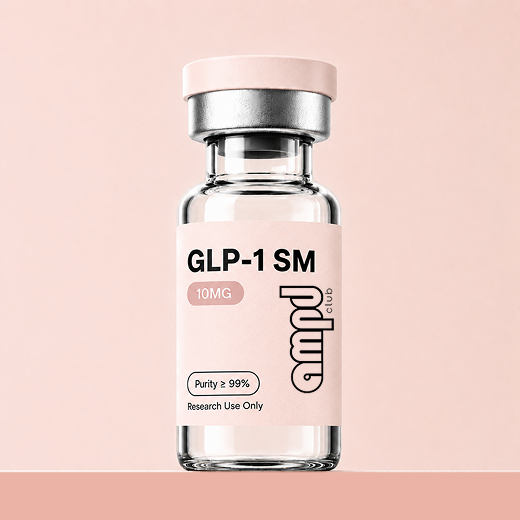
Peptides are a starting point for understanding biology, not a promise by themselves.
Peptides are short chains of amino acids. The body uses many different peptides as signals, and some medicines are designed to interact with specific biological pathways. GLP-1 itself is a peptide hormone.
A thoughtful process, from first questions to follow-up.
Understanding the science is one part of the picture. Any treatment plan should start with an individual assessment and continue with appropriate clinical guidance.
Share your health history
Discuss your goals, medical history, current medications, and questions as part of an initial assessment.
Clinical review
A licensed clinician evaluates whether a treatment may be appropriate, including potential risks and other options.
Understand your plan
If treatment is appropriate, review the medication, how to use it as prescribed, potential side effects, and follow-up.
Continue the conversation
Follow-up helps your care team understand how you are doing and whether the plan needs to be reviewed.
The right plan is about more than a medication.
Health history, current medicines, treatment goals, and individual risk factors all matter. A prescription decision should be made with a qualified clinician who can explain both the potential benefits and the limitations.
Why diets often stall and where GLP-1 support fits in.
Cutting calories works for a while. Then the scale stalls or creeps back up, even when you’re sticking to the plan.
That’s not a willpower problem. After weight loss, your body works to regain the weight. A 2011 study in the New England Journal of Medicine found that ghrelin, a hunger hormone, was still higher a full year after people lost weight.
This is where knowing how GLP-1-based treatments work gets useful. These medicines target the same hunger signals your body uses to pull weight back on, starting with the one many patients notice first.
01: Quieter food noise
Many patients describe food noise as constant mental chatter about the next meal. Some say it’s the first thing to quiet down on treatment, often before the scale moves.
02: Built to outlast your own hormone
The GLP-1 your gut releases after a meal breaks down in about two minutes. Semaglutide resists that breakdown and remains active for roughly a week, so the injectable form requires just one dose per week. That staying power is a big part of how GLP-1 medicines work differently from your own hormones.
03: Two hormone signals instead of one
Tirzepatide for weight loss takes a different route. It activates GLP-1 receptors and GIP receptors, which respond to a second gut hormone tied to appetite and blood sugar.
At LifeForce-MD, a licensed provider reviews your health history online and determines whether semaglutide or tirzepatide is appropriate.
Your dose is adjusted as you go.
Start with our quick online eligibility assessment, and a LifeForce-MD provider will let you know whether a physician-supervised plan is right for you.
A little more clarity.
These answers cover the basics. Your clinician is the best source for advice about your own health, eligibility, and medication.
Are GLP-1 medicines the same as peptides?
GLP-1 is a peptide hormone, and some medicines act on the GLP-1 receptor. But “peptide” is a broad term for a type of molecule, not one specific therapy. Different products have different evidence, uses, risks, and regulatory status.
Will everyone respond the same way?
No. Results and side effects vary by individual, medication, health history, and other factors. A clinician can explain what is realistic for your circumstances; no particular result is guaranteed.
Does a GLP-1 treatment replace healthy habits?
Medication, when prescribed, is one part of care. Your clinician may also discuss nutrition, activity, sleep, and other health factors relevant to your goals.
Are all peptides approved for medical use?
No. Approval and the level of clinical evidence vary by product and intended use. Do not assume a product is safe or effective simply because it is described as a peptide. Ask your clinician about the specific product being considered.
What should I discuss before starting treatment?
Share your medical history, allergies, current medicines, and any relevant past treatment experiences. Ask about expected benefits, common and serious side effects, how the medication should be used, and how follow-up will work.
Why does treatment start at such a low dose?
To give your body time to adjust. Stomach side effects like nausea tend to show up when the dose goes up, so providers usually raise it in small steps about every four weeks. Your provider can also keep you at the same dose longer when you need more time.
How soon will I notice a difference?
Appetite often changes first, sometimes within the first few weeks. Weight loss usually comes more slowly, over months rather than weeks, and it varies from person to person. Your provider will check in on both as your dose changes.
What happens to my weight when I stop treatment?
Many people regain some of it. In one large semaglutide trial, participants regained about two-thirds of the weight they had lost within a year of stopping. Talk with your provider about a long-term plan before making any changes, including how to taper safely and which eating habits to keep.
Do I need to pick up my prescription at a pharmacy?
No. Once a LifeForce-MD provider approves your plan, your medication ships straight to your door. Your care team is still there for questions about dosing or side effects after it arrives.
Informed questions. Individual care.
Start with an assessment and discuss your options with a qualified healthcare professional. The goal is to understand what may be appropriate for you, not to assume one treatment fits everyone.
Educational content only, not medical advice. Treatment decisions should be made with a qualified healthcare professional.